
WEB DESIGN AGENCY
Visual identity, user experience and interfaces that build trust from the first click. As a web design agency, we design websites that are beautiful, clear and built for conversion – before a single line of code is written.
DESIGN THAT SELLS AND SCALES
We start with strategy and finish with pixel-perfect interfaces. Every project is based on your business goals, your users and your brand's tone – and delivers a design system that holds up over time, whichever developer builds it later.
Landing pages
Conversion-optimised landing pages designed to drive leads and sales.
Redesign
Redesign of existing websites with a focus on UX, speed, conversion and preserved SEO value — we plan redirects and the technical foundation before the first pixel moves.
Conversion rate optimisation
Data-driven improvements to UX, copy and flows — A/B tested, measured and iterative. We find the friction where it actually sits and convert more of the visitors you already have.
UX design
User flows, information architecture and prototypes that make the website or app easy to understand and quick to act in.
UI design
Pixel-perfect interfaces with typography, colour and components that reflect the brand and guide the eye.
Design system
A scalable library of components, states and rules — so that design and development stay aligned over time.
FROM INSIGHT TO INTERFACE
Strategy & research
We map your target audience, business goals and competitors, and run user interviews or analyse the existing website. The result: a design brief and a set of priorities that you approve before we start designing.
Concept design & moodboard
We produce two or three visual concepts with typography, colour palette and imagery. You choose a direction before we move on – that way we avoid expensive rework later.
UI design & prototype
We design all pages and flows in Figma with a clickable prototype. Every component is documented in a design system that later drives the implementation.
User testing & iteration
We test the prototype with real users, measure friction and make adjustments before development. Lower risk, higher conversion rate.
Handover to development
We deliver a complete design system with components, states and responsive variants – ready for Webflow, Webflow Cloud or headless. We are happy to build it for you too.
TOOLS WE WORK WITH
We choose tools for what the project needs — not for what is fashionable. Every technology in our stack is chosen for performance, scalability and long-term maintainability.
design
figma
Collaborative design and prototyping, from concept to handoff.
CMS
Webflow
Our first-choice platform for websites driven mainly by marketing teams — visual development, a powerful CMS, fast hosting and an editor-friendly interface.
CMS
Sanity
Headless CMS with structured data, real-time editing and GROQ queries — our choice when Webflow's CMS is not enough for complex content modelling.
framework
Next.js
React's production standard — server rendering, edge rendering and full SEO support. The foundation of all our headless websites and web apps.
hosting
vercel
Edge hosting with a global CDN and CI/CD straight from GitHub — Next.js's production environment, where performance is the default, not an add-on.
animation
Gsap
The industry standard for advanced web animation — now part of Webflow after the acquisition of GreenSock. Powers scroll effects, transitions and interactive elements.
AI
Claude
Anthropic's LLM, which we use for AEO-ready content production, semantic chunking, design and design system documentation. We connect Claude directly to your website through an MCP server — so Claude can read, suggest and update CMS content in real time, with no manual steps in between.
THE RIGHT DESIGN PARTNER FOR THE RIGHT PROJECT
The choice of design partner affects everything from the first impression to the long-term conversion rate. We always recommend the setup that suits your business situation – not the one that is easiest to sell.
| Criterion | SEOS Design | Specialist design agency | General digital agency | Freelance designer | AI design tool |
|---|---|---|---|---|---|
| Strategic depth | |||||
| Design craft | |||||
| Conversion focus | |||||
| Implementation included | Yes | Rarely | Yes | No | Limited |
| Design system & documentation | |||||
| Time to launch | 4–8 wks | 6–12 wks | 8–16 wks | 3–8 wks | 1–2 wks |
| Price | Medium | High | Medium | Low–medium | Low |
Ratings based on SEOS’s internal assessment. Outcomes vary with the implementation.
Selected projects
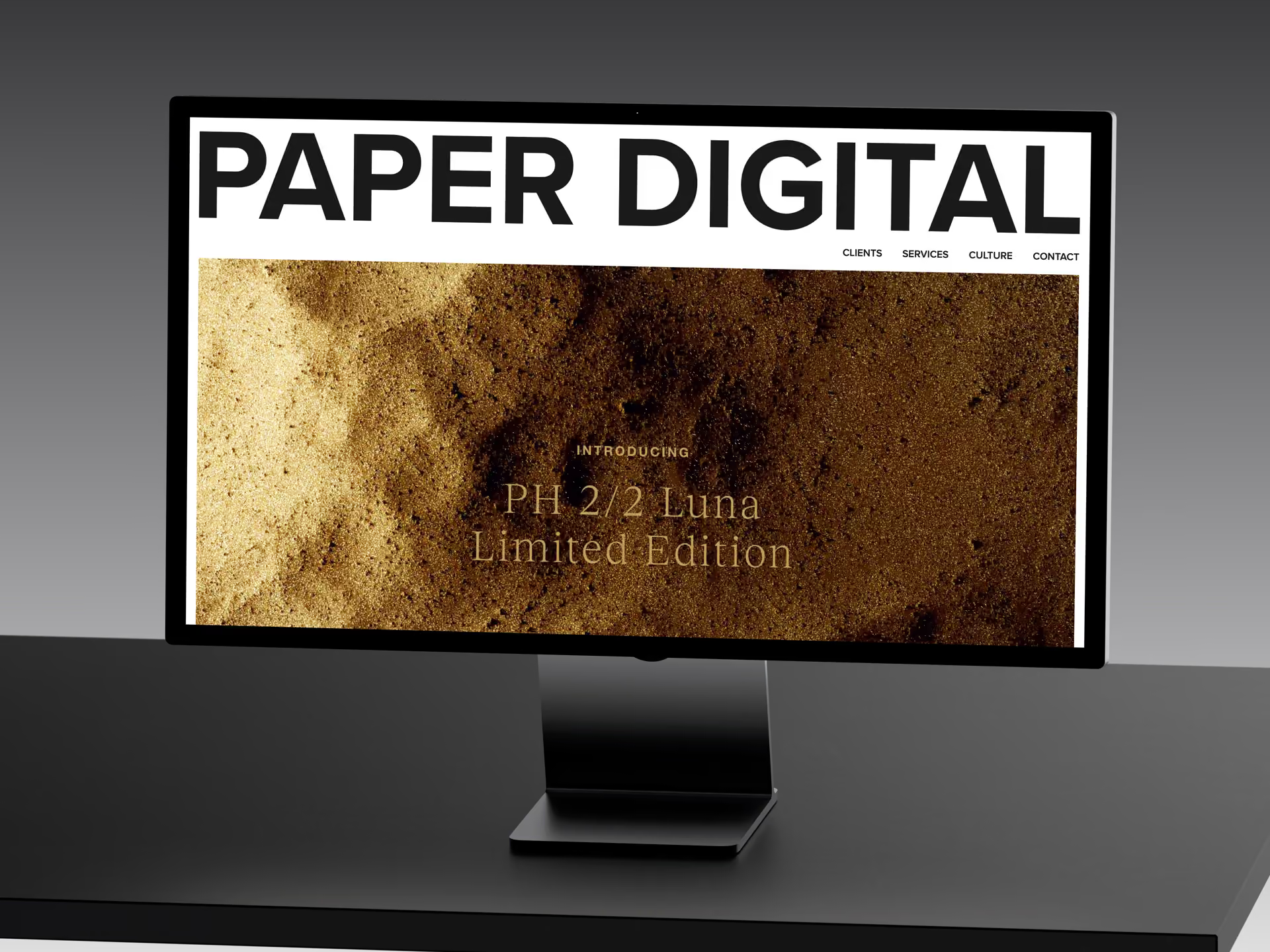
Website development
Paper Digital
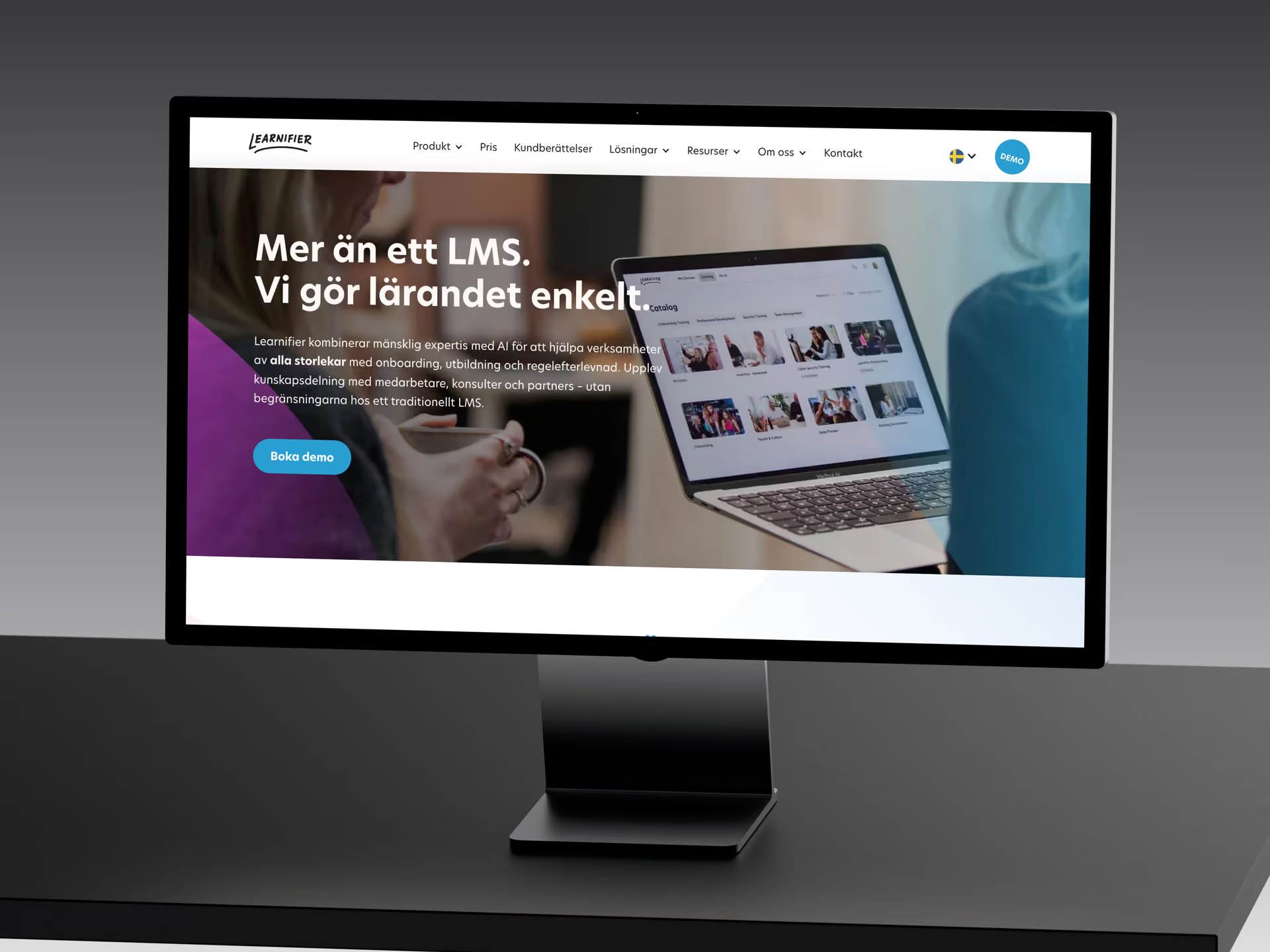
Website development + SEO & AEO
Learnifier
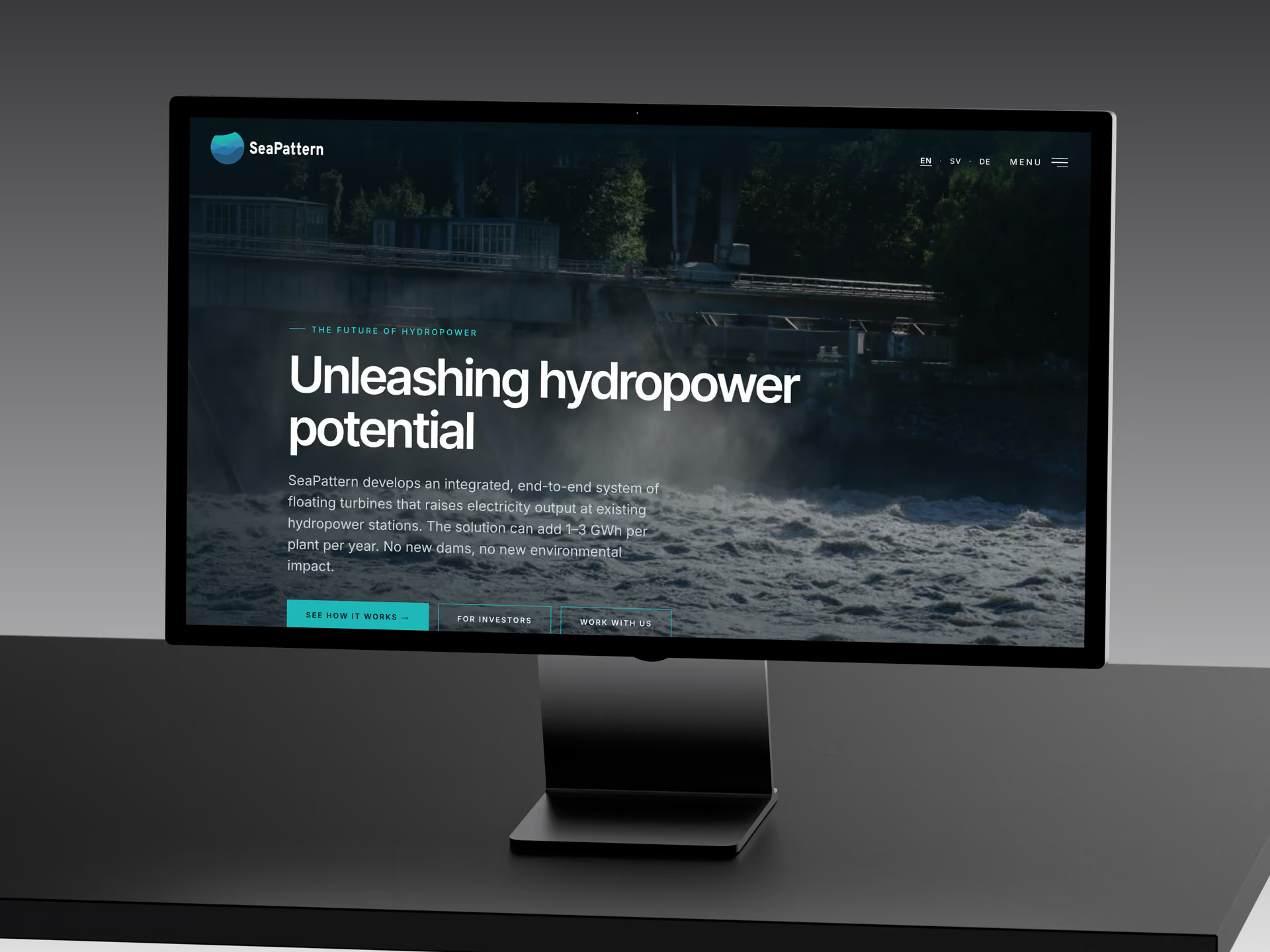
Strategy, design, development
SeaPattern
Questions & answers
How long does a web design project take?
A typical web design project takes 4–8 weeks from the first brief to a finished prototype. Smaller campaign websites are quicker, while complex B2B websites with many templates and flows can take 8–12 weeks. We agree the schedule together after the strategy phase.
What is the difference between your web design and web development services?
Do we need a visual identity before we start?
No. If you do not have a visual identity, we build a lightweight one as part of the design work – typography, colours and imagery adapted for digital use. If you already have one, we start from it.
Do you design in Figma or directly in Webflow?
Can you redesign an existing website without losing SEO?
Yes. On a redesign we always work with our SEO team – we map existing traffic, rankings and URL structure before design starts, and put redirects and the technical foundations in place at launch. That way, traffic often grows after a redesign instead of collapsing. We describe the method behind it in the guide Migrate a website without losing rankings.
Have a question we have not answered?
Ask a question