

HEADLESS CMS AGENCY
Content in Sanity, Contentful or Storyblok – frontend in Next.js or Astro. As a headless CMS agency, we help you choose the right platform, model the schema and build a website that feeds web, apps and AI agents from a single source.
A HEADLESS STACK THAT HOLDS UP
A modern CMS stack is no stronger than the structure you build it on. We start with the content model, not the design – and build a frontend that is optimised for Core Web Vitals, AEO and AI agents from the first wireframe.
Headless CMS
Headless architecture with Sanity or Contentful + Next.js — for companies that want to own their front end, switch CMS without rebuilding, or serve several channels from the same content.
Sanity implementation
Schema-as-code in TypeScript, a customised Sanity Studio and GROQ queries — we model content in ways that last and are AI-ready through the official MCP server.
Contentful implementation
Spaces, content types and role management configured for large editorial teams — enterprise maturity with a compliance-friendly permission structure.
CMS migration
Migration from WordPress, Sitecore or a custom-built CMS without losing SEO. URL mapping, 301 redirects, schema markup and a phased launch with traffic monitoring.
AI context and MCP
MCP server connection, structured data and context files that document your SEO strategy, customer insights and brand voice — so that AI agents can read, suggest and update content on your website according to your guidelines, not generically.
Web apps
Tailor-made web applications in Next.js for SaaS, customer portals and dashboards.
FROM PLATFORM CHOICE TO MAINTENANCE
Platform choice & architecture
We start with your team, your channels and your growth plan – not with whichever platform we happen to know best. The result: a reasoned recommendation – Sanity, Contentful, Storyblok or Webflow.
Content modelling & schema design
We model entities, relationships and components before the first wireframe is drawn. A well-designed schema determines how well the website can evolve for years to come.
Frontend in Next.js
The website is server-rendered for fast loading and content that search engines can read in full. AI-driven development with Claude Code lets us build the same website in a fraction of the time – without compromising on structure or quality.
Migration & SEO preservation
URL mapping and 301 redirects, with schema markup and canonical strategy preserved.
Maintenance & editor support
Sanity Studio or Contentful spaces set up to match how your editors work. Live preview and help text directly in the CMS. An MCP connection with context files, so the website is easy to update with AI.
PLATFORMS AND TOOLS WE USE
We choose tools for what the project needs — not for what is fashionable. Every technology in our stack is chosen for performance, scalability and long-term maintainability.
CMS
Sanity
Headless CMS with structured data, real-time editing and GROQ queries — our choice when Webflow's CMS is not enough for complex content modelling.
CMS
Contentful
An established enterprise headless CMS with extensive role management and compliance features — our choice when the organisation has complex editorial teams and regulatory requirements.
CMS
Storyblok
Headless CMS with a visual editing experience and live preview — a good fit when editors value drag-and-drop over maximum schema flexibility.
framework
Next.js
React's production standard — server rendering, edge rendering and full SEO support. The foundation of all our headless websites and web apps.
hosting
vercel
Edge hosting with a global CDN and CI/CD straight from GitHub — Next.js's production environment, where performance is the default, not an add-on.
language
Typescript
Type-safe JavaScript that catches errors before they reach production — standard in all our development projects.
version control
GitHub
Version control and code collaboration — where the website's entire codebase, schema and documentation live. Pull requests and code reviews are how we keep quality and traceability over time.
AI
Claude
Anthropic's LLM, which we use for AEO-ready content production, semantic chunking, design and design system documentation. We connect Claude directly to your website through an MCP server — so Claude can read, suggest and update CMS content in real time, with no manual steps in between.
THE RIGHT AGENCY FOR YOUR HEADLESS PROJECT
Headless CMS agencies are a broad category – from frontend agencies offering Sanity as an add-on to specialists with migration experience and AI readiness built in. We compare types of agency, not specific brands – it is the approach that determines the result.
| Criterion | SEOS Design | General digital agency | Frontend specialist studio | Freelance developer | Enterprise consultancy |
|---|---|---|---|---|---|
| Platform neutrality | |||||
| Content modelling before design | |||||
| Migration experience | |||||
| AI and MCP readiness | |||||
| Editor experience | |||||
| Maintenance built in | |||||
| Time to launch | 6–10 wks | 12–20 wks | 10–16 wks | 6–12 wks | 16–32 wks |
| Total cost | Medium–high | High | Medium | Low–medium | Very high |
Ratings based on SEOS’s internal assessment. Outcomes vary with the implementation.
Selected projects
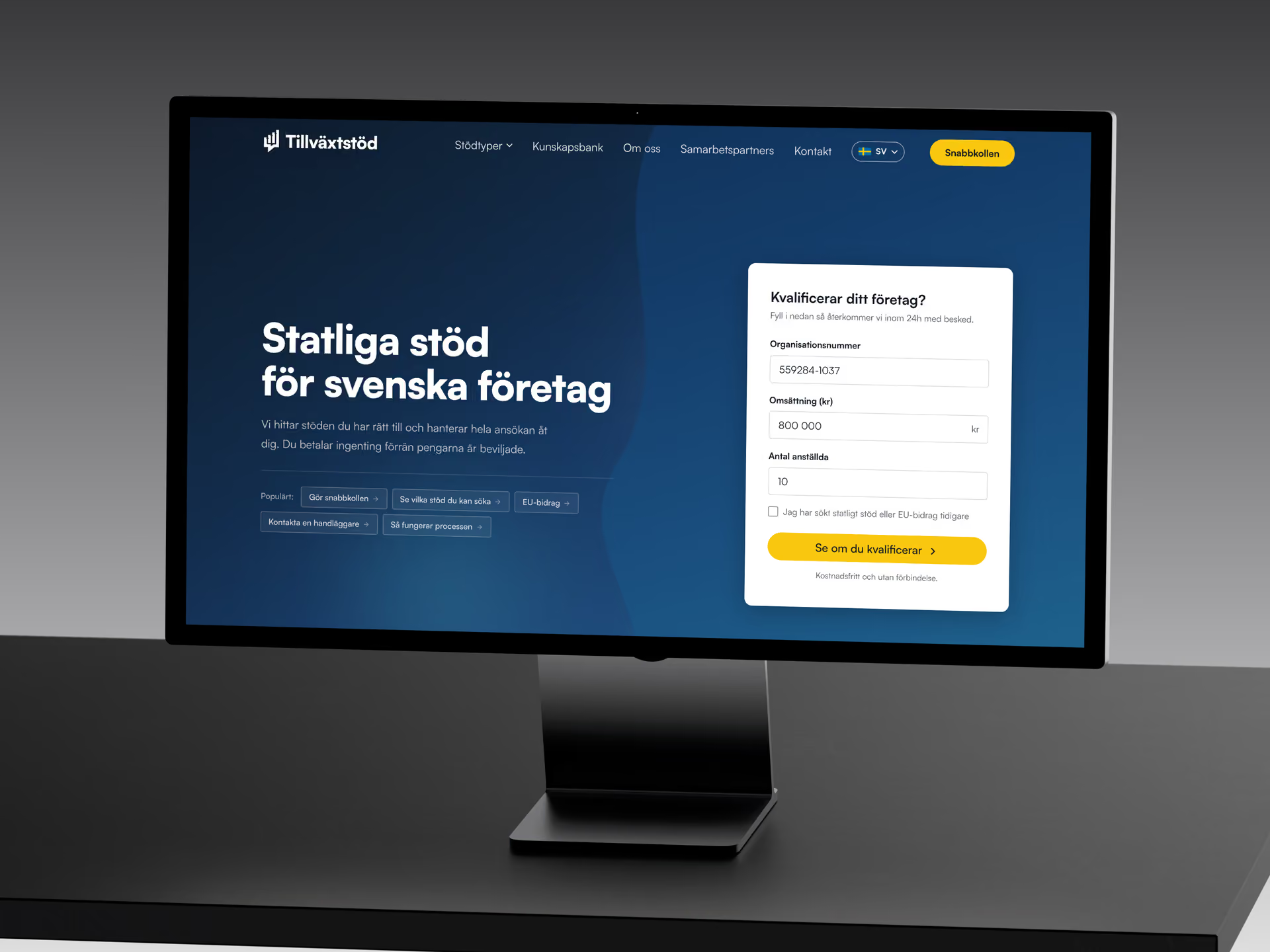
Development, design, SEM, social media
Tillväxtstöd
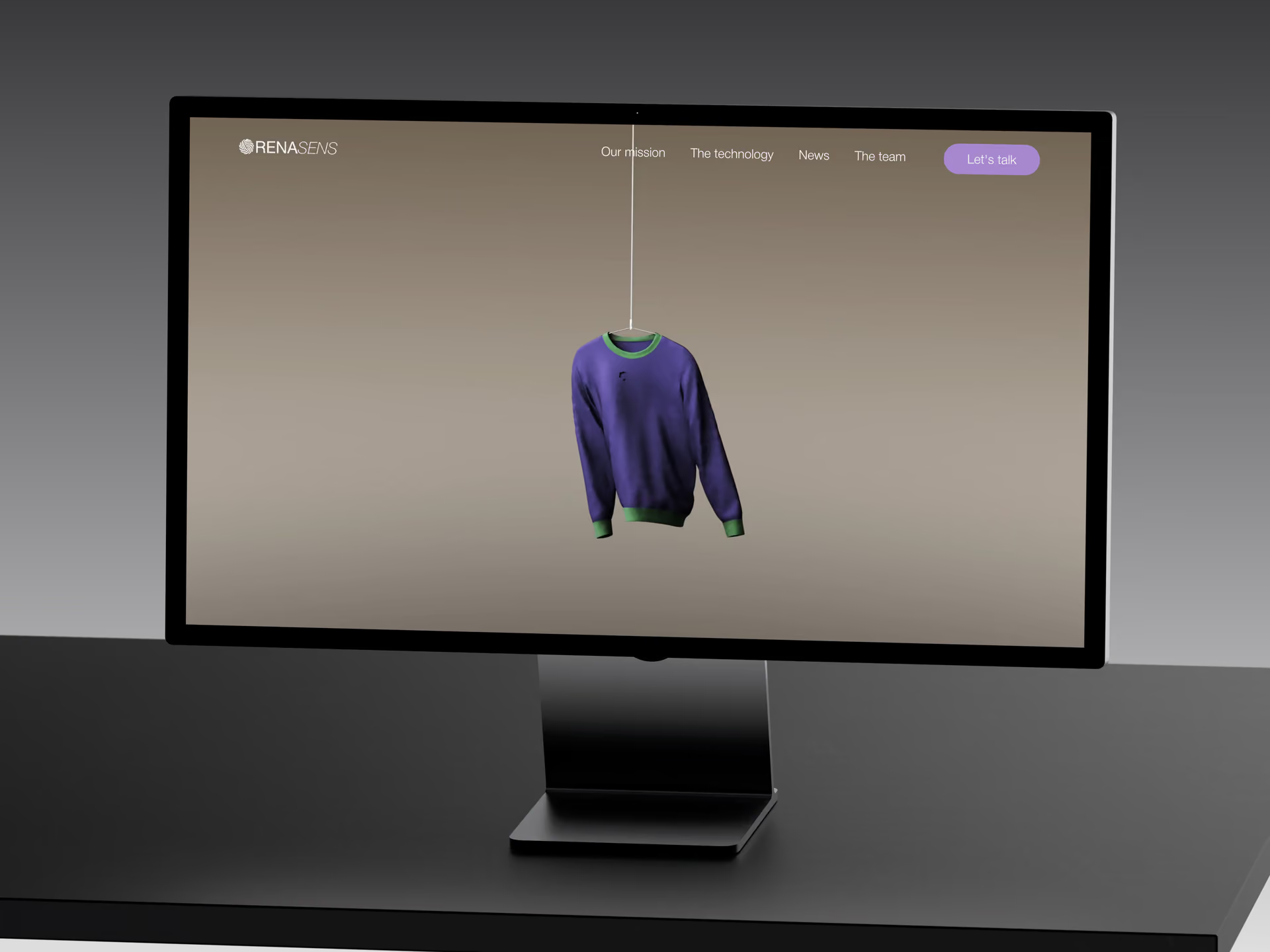
Website development & design
Renasens
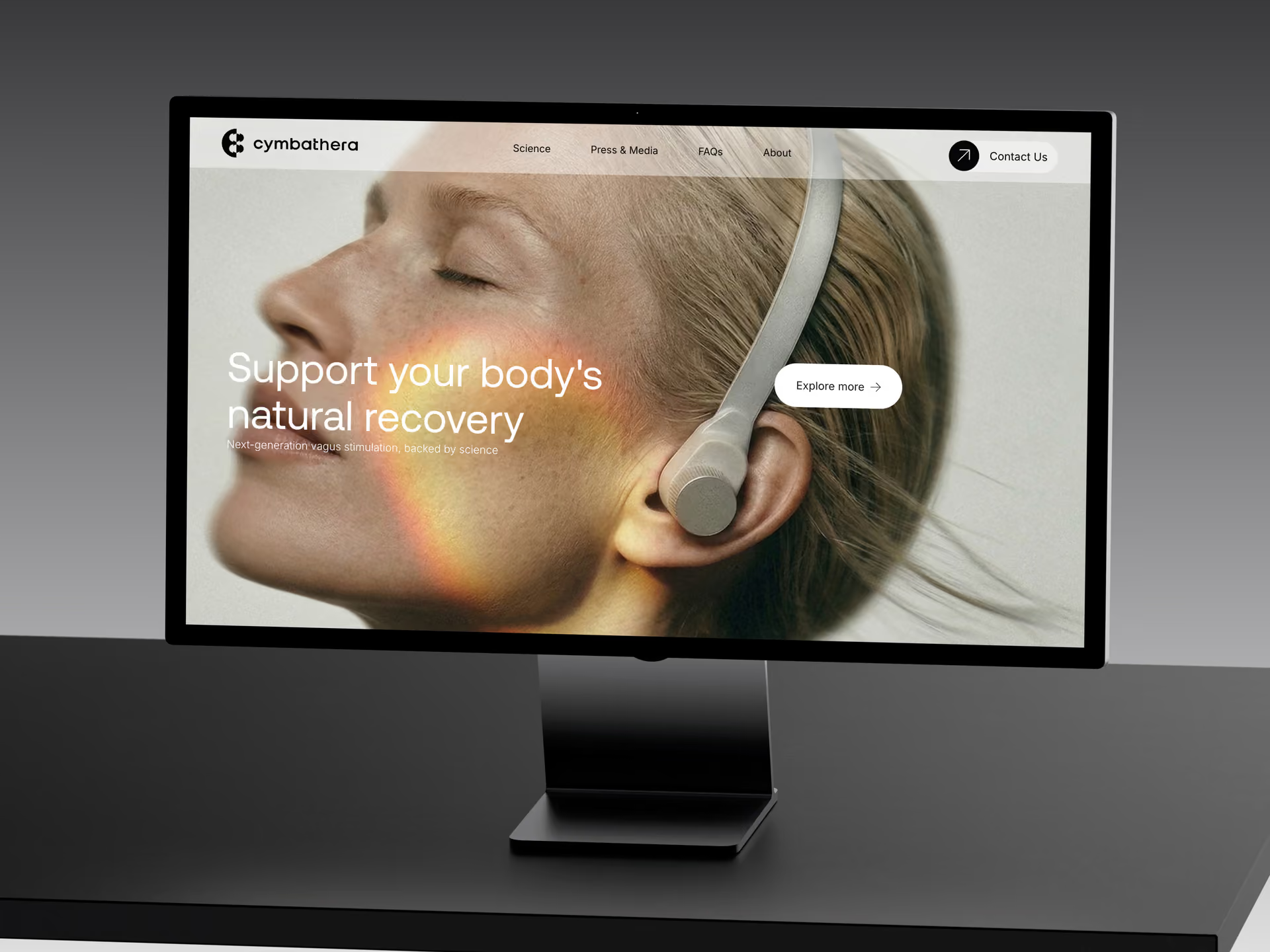
Website development & SEO
Cymbathera
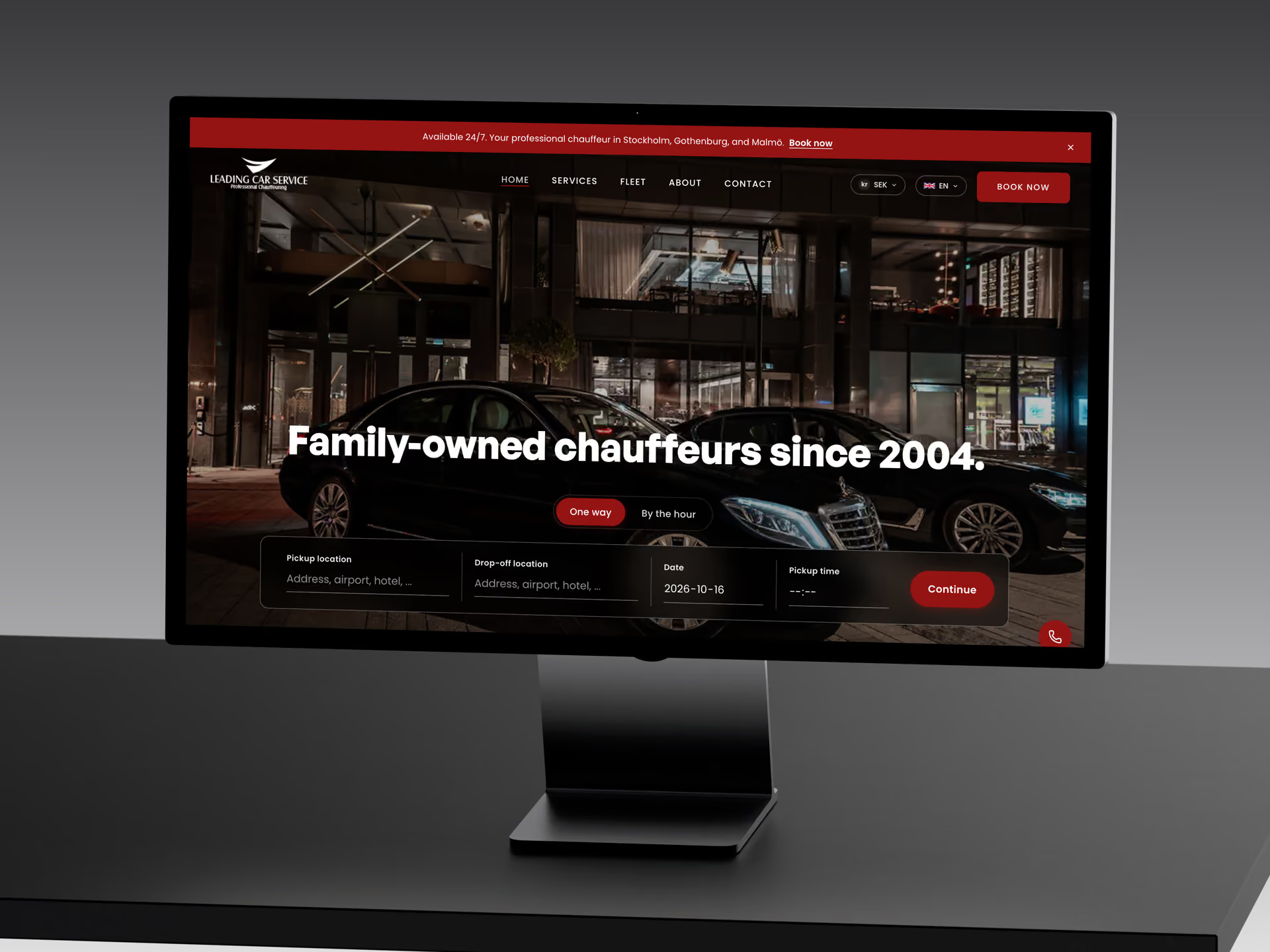
Development, design, SEO
Leading Car Service
Questions & answers
How long does a headless CMS project take?
Most headless projects take 6–10 weeks to reach a first launch-ready version, depending on schema complexity and migration needs. Larger enterprise projects with several languages or heavy integrations usually take 4–5 months.
Sanity, Contentful or Storyblok – which platform should we choose?
It depends on where the complexity lies. Sanity suits projects that prioritise a flexible content model, a developer-friendly setup and AI readiness – and it is inexpensive too. Contentful suits enterprise organisations with demanding requirements for role management and compliance. Storyblok is the better fit when the visual editing experience matters more than schema flexibility.
Can we change CMS without losing SEO?
Yes, if the migration is handled methodically. Every old URL needs a considered destination via a 301 redirect, schema markup and canonical strategy must be preserved, and the launch should be staged, with traffic monitoring. We describe the full method in the guide Migrate a website without losing rankings.
Is headless overkill for our organisation?
Possibly. Headless is right when you have several channels or brands, demanding performance requirements, AI integrations in the pipeline or a complex content model – or when you want to build a landing page efficiently that will rarely be updated. For mid-sized websites that need to scale and will be run by a marketing team, Webflow is often the more sensible choice. We offer free advice on choosing a platform.
What does a headless CMS website cost?
A complete headless project for a mid-sized website usually costs between SEK 100,000 and 200,000 (≈ €8,900–18,000), depending on scope. Schema complexity, number of templates, migration needs and integrations drive the cost more than the choice of platform. For large, complex enterprise projects, the cost can approach SEK 1 million (≈ €89,500). We look at your specific case before giving a figure. To work out the total cost over time, use the calculator in What does a website cost in 2026?
Have a question we have not answered?
Ask a question